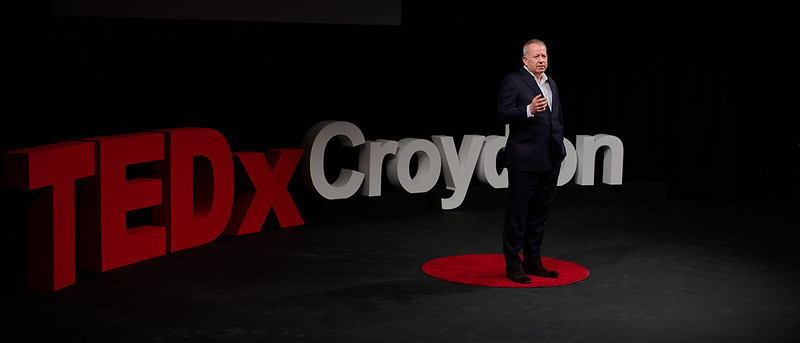
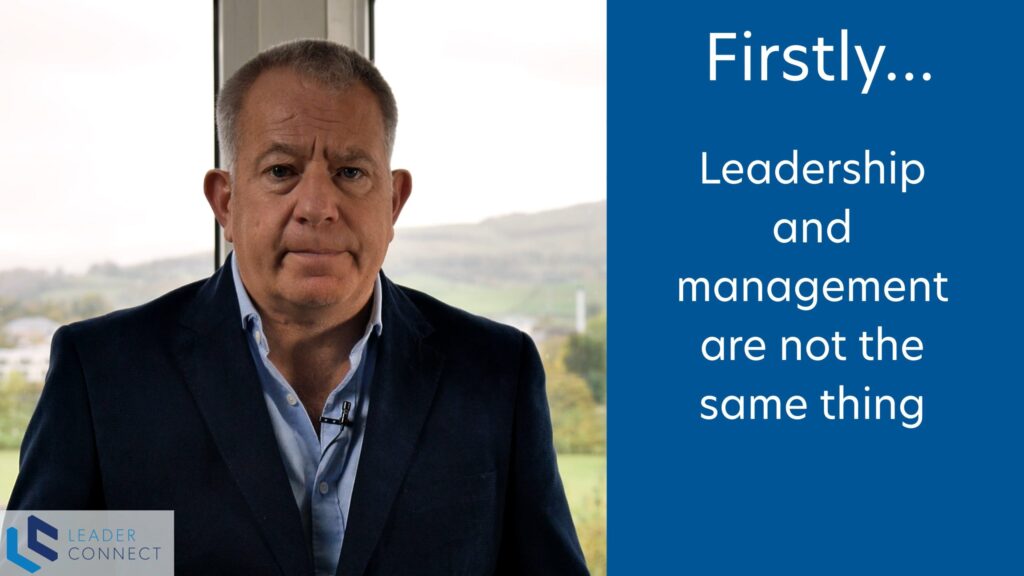
The model of interest in this speech is the OODA loop, which was originally created by Colonel John Boyd to make fighter pilots make the correct decisions within the correct timeframe. Neil extends this model, integrating Values and Beliefs as key elements, emphasising their role in shaping perceptions and actions.
The OODA loop process involves four stages: Observation, Orientation, Decision, and Action. Neil explains how the process begins with Observation, as organisations must be perceptive and open to acquiring new information. He then discussed Orientation, the second stage, which is where what is perceived in the observation phase is analysed, and its impact is deeply considered. A decision is then made which is often the hardest stage to pass, a decision must be made consciously whether this is to act or not. The final stage is action, which should be logical and have a strategic basis.
Neil invites listeners to consider how to improve their organisations decision making through the application of the OODA loop, integrating its process to increase the effectiveness of your teams organisational decision making.