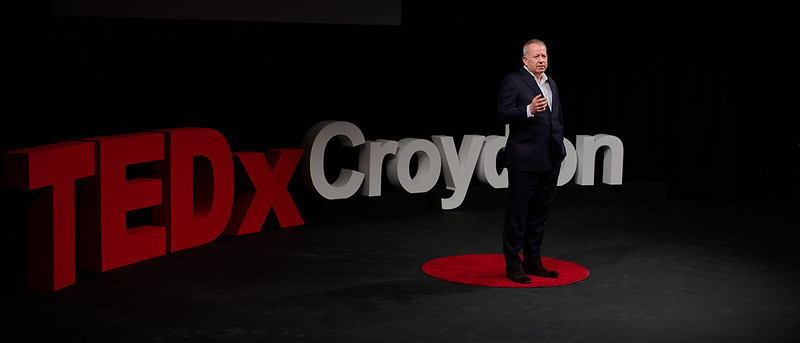
Neil opens this talk by discussing high-performing teams. He explains that in these teams, everyone shares a clear purpose, resulting in innovation and creativity in the organisation. Leadership in such teams involves nurturing freedom and avoiding overcontrolling the team members since that stifles individual contributions. Instead, leaders act as coaches, guiding team members to find their own ways to contribute towards the common goal.
Coaching entails empowering team members to think critically and make complex decisions, giving the person being coached autonomy over the issue. Neil explains that when the coach resists the urge to provide solutions, the person being coached will be more enthusiastic about contributing to the goal, as they themselves found the solution.
Neil states that the coaching process can be visualised as a “coaching cone” which shows the stages of a structured conversation, moving from defining the objective to exploring situations, focusing on solutions, making decisions, and committing to action. Each stage involves thoughtful questioning and active listening, guiding individuals towards informed choices they are committed to implementing.
Ultimately, Neil states the importance of successful coaching, as it results in empowered individuals with clear plans and a sense of ownership over their actions. He hopes you use this information to reflect on how you can integrate coaching into your leadership style, and consider the positive impact it can have on your team dynamics.