Leadership starts with understanding people
What does inclusive leadership look like in practice — not theory?
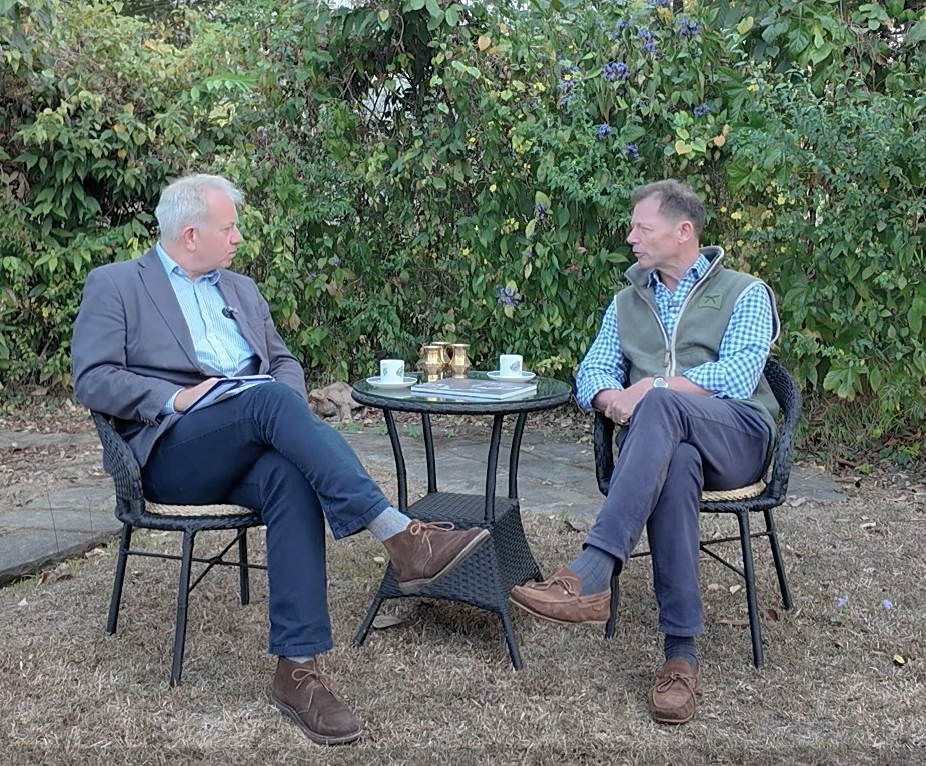
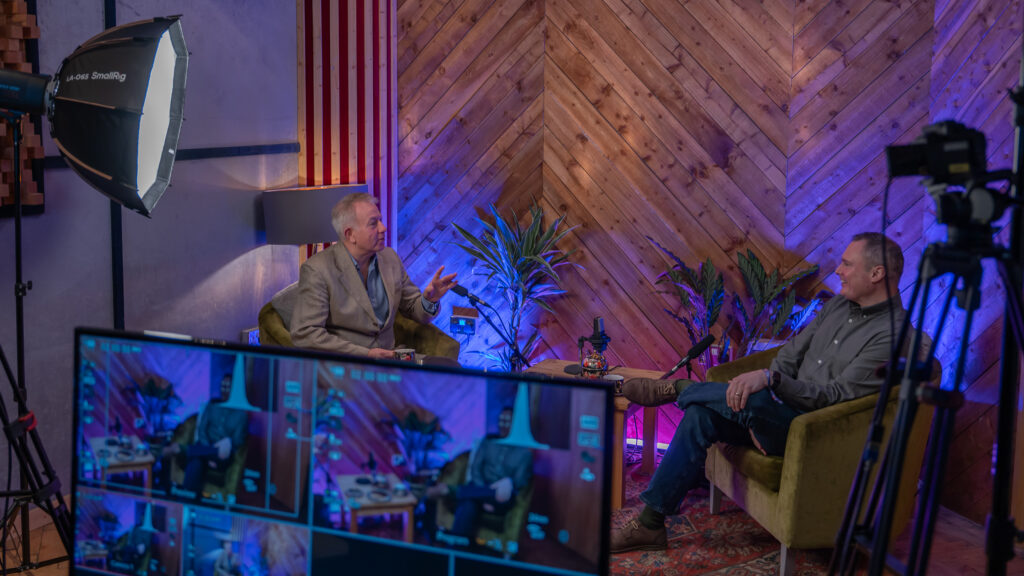
In this conversation, Neil Jurd speaks with Rachel Diss about leadership, equality, diversity and inclusion — and why understanding people is fundamental to leading any team effectively.
Drawing on her experience as an occupational therapist, mountain leader and DEI lead for the Army Cadet Force, Rachel brings a practical, grounded perspective to a topic that is often misunderstood.
Inclusion is about participation
At the heart of Rachel’s approach is a simple but powerful idea: Inclusion is about creating the conditions where people can participate fully
Through her work on expeditions and training programmes, she shares real examples of supporting young people with a wide range of needs to take part — not by lowering expectations, but by adapting the environment and approach.
Because when people are able to participate:
- they feel valued
- they build confidence
- they contribute more fully
Leadership, not labels
Diversity and inclusion are often seen as separate from leadership — or reduced to policy and compliance.
But Rachel reframes it clearly: this is about people, not labels
Understanding:
- background
- experience
- communication styles
- individual needs
is not an “extra” — it’s a core leadership skill.
Creating trust and openness
Inclusive leadership also creates the conditions for better communication.
When people feel understood and supported:
- they are more open
- they share challenges earlier
- they engage more fully with the team
Without that trust, leaders operate with only part of the picture.
Why this matters
For leaders, the impact is significant:
- stronger relationships
- better team performance
- more effective communication
- improved outcomes
Leadership improves when people feel seen, heard and understood
Who this is for
This conversation is particularly relevant for:
- new and aspiring leaders
- managers leading diverse teams
- anyone interested in practical, people-focused leadership
Inclusive leadership isn’t about doing more – it’s about leading people better.
Explore Rachel’s course on inclusive leadership | Inclusive Leadership: Building Stronger, More Effective Teams