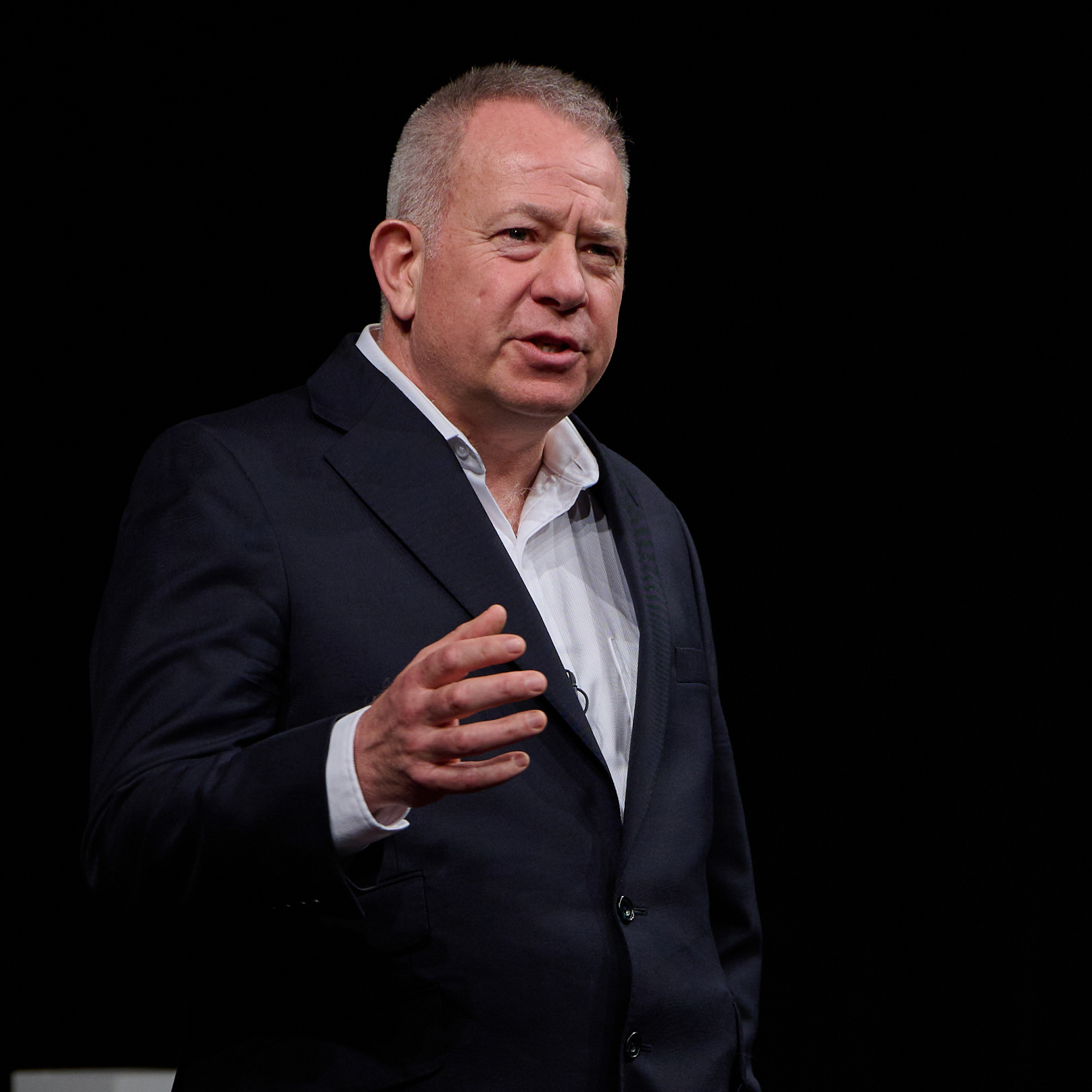
Carolyn is well known for her work with FE colleges and is regularly invited to speak at national conferences on topics ranging from ‘partnership working’ through ‘creating a safe school culture’ to the ‘preventive curriculum’. Carolyn has a particular interest in the protection of children and young adults with disabilities; her knowledge and understanding of the complexities of safeguarding vulnerable groups has won her many friends in the special school sector nationally.
She has been the safeguarding adviser to NASS and its members for more than 12 years. As a member of the Safer Recruitment Consortium task group, Carolyn was heavily involved in re-writing the national Safer Recruitment training materials launched in September 2014 and delivers T4T events nationally. So, she knows her stuff!
The chat starts with Stan considering the reliability of Ofsted subject reviews which have been heavily criticised this week for the way research evidence appears to have been manipulated to offer a preferred view on pedagogy., Carolyn then explains the significant changes to the VAT arrangements for Independent Special Schools, many of which are not-for-profit organisations and support some of the most vulnerable young people.
She then considers the many changes to safeguarding arrangements that are going to be introduced for Early Years settings next year. Frank then reflects on a chat he had with a prominent CEO of a charity where it became clear that more needed to be done to support the literacy and numeracy skills of adults.