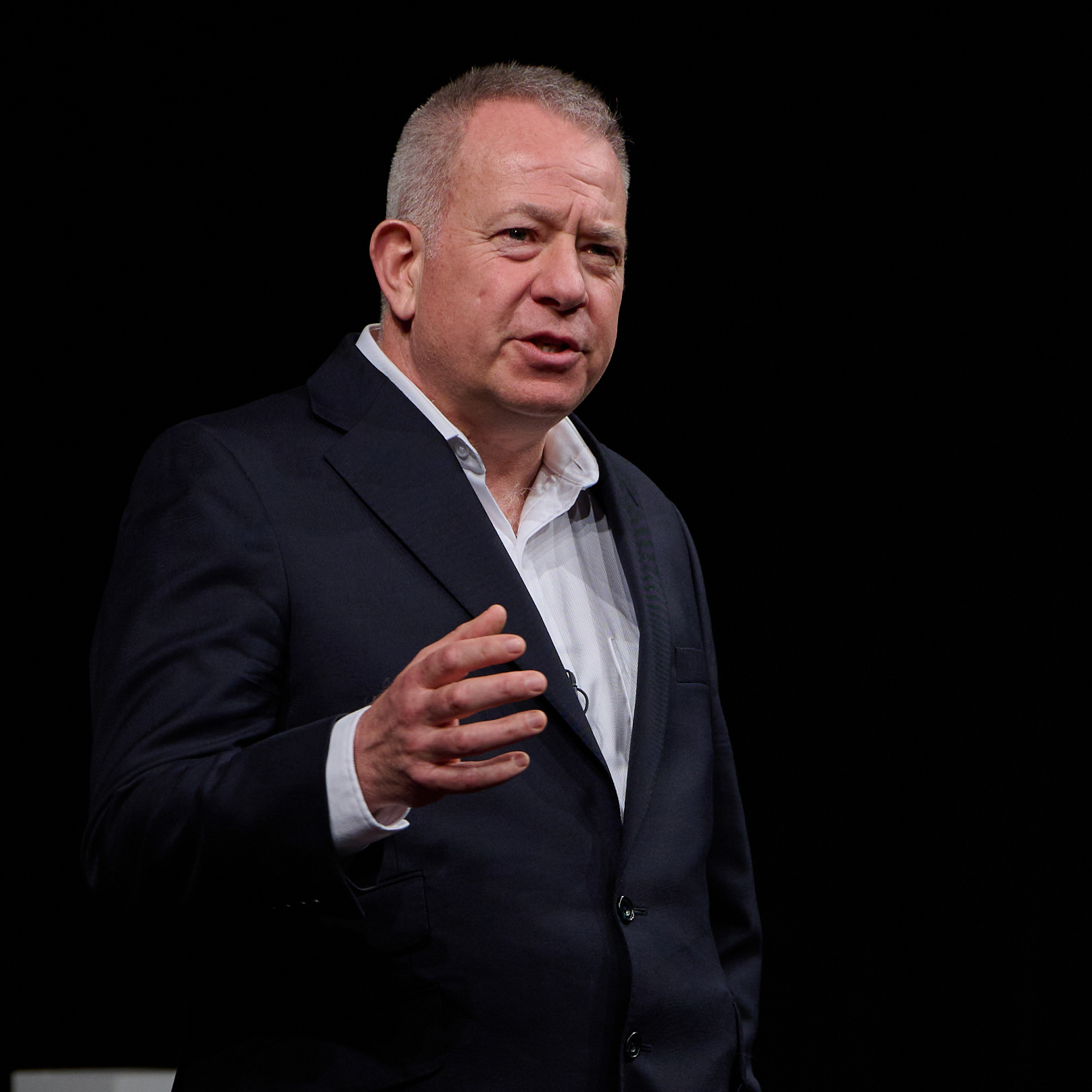
The way we breathe has a direct impact on how we feel. In this lesson, Maude Hirst explains the connection between breath and emotional state, and how mastering breathing techniques can help leaders feel calmer and more confident in challenging situations.
Key Points
- Breathing and emotional state: How stress, anxiety, or nervousness affect our breathing, leading to shallow, restricted breath, which can trigger the body’s “fight or flight” response.
- Confident and relaxed breathing: The opposite effect occurs when we feel confident and relaxed—our breath deepens, and our bodies become more open and calm.
- Breathing tools for calmness and confidence: Simple, effective breathing exercises to regain control over emotions and enhance focus.
Practical Steps
- Practice diaphragmatic breathing by inhaling deeply through your nose, allowing your belly to rise, and exhaling slowly. Do this for 3-5 minutes to activate a state of calm.
- Use this technique before high-stress meetings or presentations to center yourself and boost your confidence.